A worthy Olympic quest
Sports in the darkest timeline
Like any self-respecting dilettante, I love the Olympics. Especially as it airs in Mexico, which is as an apparently random collection of Youtube broadcasts narrated by always excited but not consistently informed announcers. (This goes double for the winter games.)
The geopolitical darkness looming over the 2026 U.S.-Canada-Mexico World Cup and the 2028 Los Angeles summer games is making me savor Milan-Cortina all the more. The World Cup and the Olympics are always problematic faves, but I fear we have barely begun to imagine the worst of what could happen when the international sports community accepts an invitation extended by a previous version of the U.S. and arrives in a very different one.
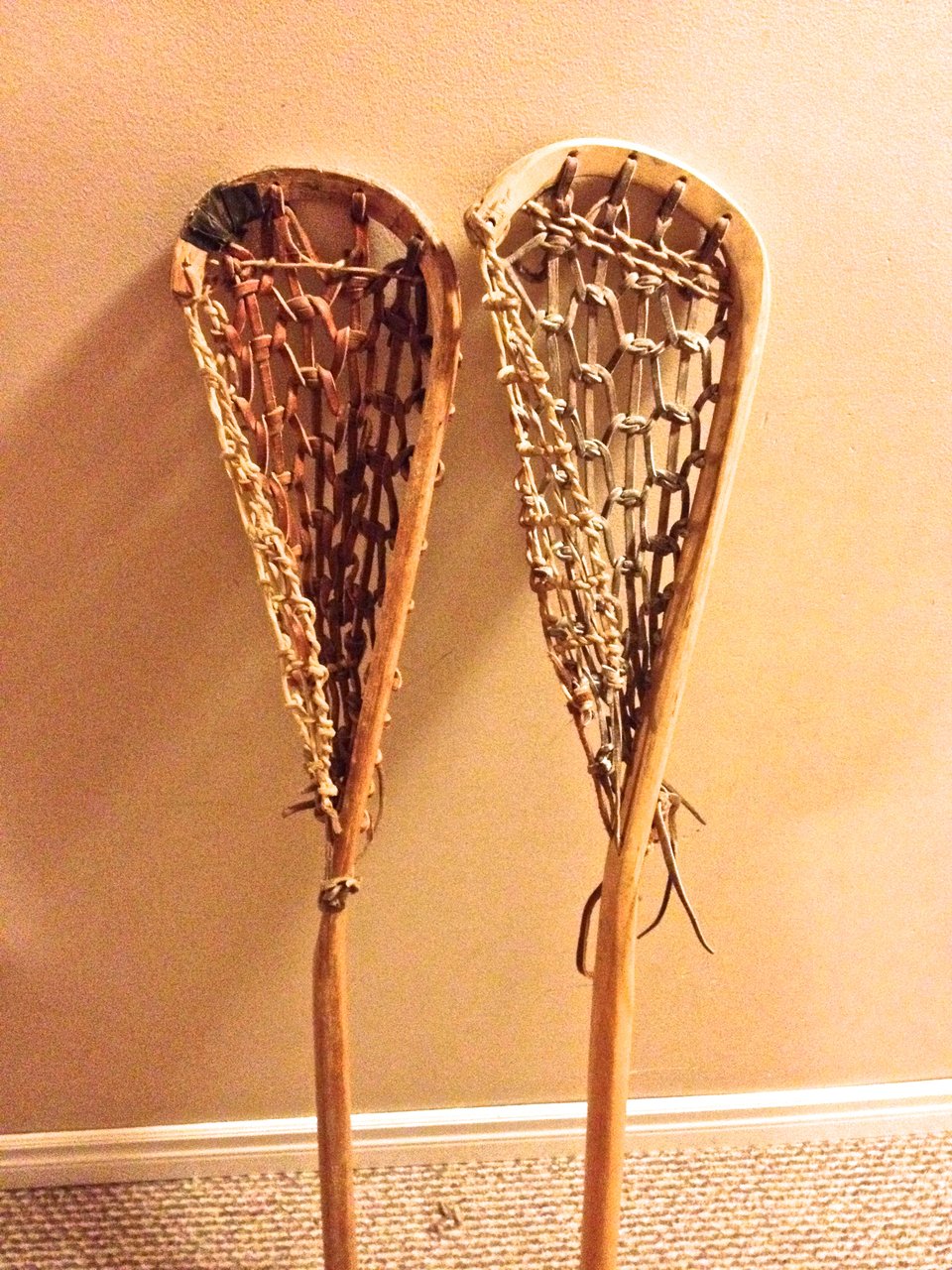
So you’d think the International Olympic Committee might be desperate for some feel-good narratives as a counterbalance, and they have the perfect one right in front of them. In 2028, lacrosse will return to the Olympics for the first time in 80 years. Among the teams vying for a chance to play are the Haudenosaunee Nationals, representing the Six Nations of the Haudenosaunee Confederacy. The Haudenosaunee invented lacrosse nearly 1,000 years ago, only to see it appropriated by U.S. and Canadian settlers bent on excluding them from their own game. The Haudenosaunee kept playing anyway, and the Nationals are currently among the best lacrosse teams in the world.
I learned about the Nationals from a great feature by S.L. Price in The New York Times Magazine last year. With the Olympics and its many meanings on my mind, I found myself thinking about it again:
But competing as a national team, for the Haudenosaunee, has always been as much about asserting national identity as athletic identity. Onondaga Nation, the confederacy’s political and spiritual capital, has long been the Six Nations’ most zealous defender of Haudenosaunee autonomy, which is rooted in a treaty signed by George Washington in 1794, one that the U.S. has honored every year since with an annual payment of $4,500 in cloth or other goods. Onondaga leadership set the team’s tone: Traveling as a Haudenosaunee citizen — then winning — was paramount. When the Nationals played overseas for the first time, in 1985, England accepted their Haudenosaunee passports; to the Haudenosaunee, this amounted to a de facto diplomatic recognition of statehood that was repeated whenever they have successfully crossed another border.
According to the I.O.C., however, the Nationals are ineligible for the Olympics because the Haudenosaunee aren’t recognized by the United Nations and don’t field teams in four other sports. So far, the global lacrosse community has banded together to make sure the Nationals have been able to keep competing in qualifying tournaments, but the I.O.C. hasn’t budged. When I read this article last year, I thought there was no way the I.O.C wouldn’t make an exception in such extraordinary circumstances. Now, deeper into our worst case scenario timeline, I’m not so sure.
Further reading
Price’s New York Times Magazine article is adapted from his book The American Game: History and Hope in the Country of Lacrosse.
March book discussion: Civilizations
A reminder that in March, Andrew Dana Hudson and I will be discussing Civilizations by Laurent Binet and translated by Sam Taylor, an alternate history novel in which an Inca emperor conquers Europe. We have so much to say about this book that we’ll be splitting up our discussions over a few weeks, so you have plenty of time to read along! Book discussion letters will start on March 1 8, and comments will be open.
Upcoming APOCALYPSE events
How to Thrive in the Apocalypse
with Lizzie Wade
Climate change, global plagues, state collapse—let’s just say it. We're living through the end of the world. But if we can face the hard truths of the apocalypse, we can use them to cultivate meaningful, consequential lives and build the kinds of societies we need and want. In this talk, Lizzie Wade shares five lessons from her book APOCALYPSE: How Catastrophe Transformed Our World and Can Forge New Futures that show us how to leave behind the world that has failed us and create a better one instead.
March 2 at Wake Forest University
6 p.m, ZSR Library Auditorium, room 404
Winston-Salem, North Carolina
March 5 at Winthrop University
7 p.m., Dina’s Place
Rock Hill, South Carolina
If you’re interested in having me give a similar talk at your university, museum, bookstore, or book club, don’t hesitate to get in touch!


Add a comment: