
Is the past a distraction?
Not when the future depends on it
New podcast alert: I’m on Factually! with Adam Conover this week, talking apocalypses, transformations, and of course, colonialism. It’s a perfect chaser to any Thanksgiving dinner that isn’t sitting quite right. Click below to watch on YouTube or find it in your podcast player!
Scheduling note
The Antiquarian has moved from Sunday to Tuesday! My weekends thank you for your understanding.
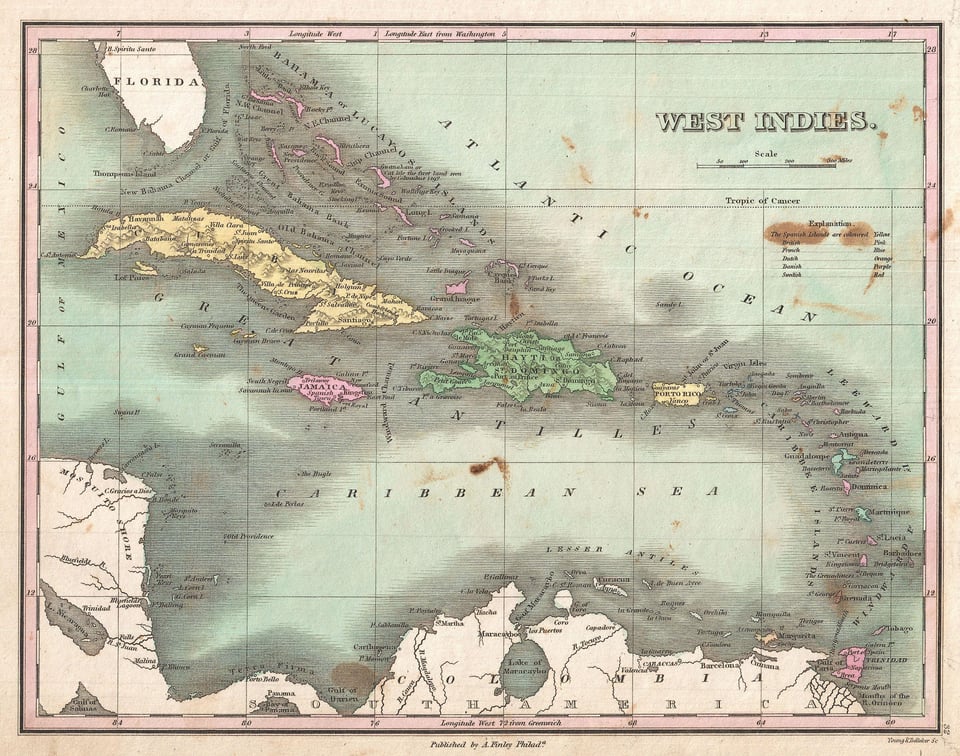
Here are some rather shocking statistics that floated across my feed recently:
“Among the 2,000 UK adults surveyed, 85% were unaware that Britain forcibly transported more than 3 million Africans to the Caribbean, [and] 89% did not know that Britain enslaved people in the Caribbean for more than 300 years”
But maybe I shouldn’t be shocked. When I was working on my story about the archaeology of slavery in the Caribbean, which eventually evolved into a chapter in Apocalypse, I often got puzzled looks from generally well informed and curious people: “Why the Caribbean?” I myself was shocked when I learned, a year after I spent two weeks in Portugal going to all the archaeology and history sites I could find, that the majority of slave ships had once flown under the Portuguese flag, a fact that was never once mentioned at any of those sites. I still have a hard time remembering to include the Netherlands, Germany, and Denmark on my mental list of colonial criminals, and I’m sure there are many, many others that are still invisible to me (drop your faves in the comments!). Stop talking about it, and no one will know.
Insisting on talking about it anyway might not be a crime quite yet, but it’s still cast as a distraction even by people who ostensibly care. A year ago at the Commonwealth summit, in front of representatives of countries including Barbados, Jamaica, and Ghana, British prime minister Keir Starmer said, “Slavery is abhorrent…there’s no question about that. But I think from my point of view and taking the approach I’ve just taken, I’d rather roll up my sleeves and work with them on the current future-facing challenges than spend a lot of time on the past.” Don’t we have bigger problems to deal with right now? Like climate change, to which Caribbean nations are extremely vulnerable?
Anyone who lives at the bleeding edge of those “current future-facing challenges,” however, knows what the Global North will go to any length to conceal from itself: It’s all the same problem, and it always has been. Days before Cop30 got underway in Brazil, Hurricane Melissa made landfall in Jamaica:
Arley Gill, a member of the Caribbean Community (Caricom) Reparations Commission, set up to advance the region’s pursuit of reparatory justice, told the Guardian that “a successful Cop cannot avoid a discussion about climate change and reparations”.
“Hurricane Melissa once again showed us that the same islands and the same peoples that are … demanding reparative justice for the crimes against humanity of slavery, slave trade, and indigenous genocide, are the same peoples and the same countries that are on the wrong end of the effect of climate change. And so those two issues are inseparable.
“We call upon the global leaders, to once and for all to confront the harsh reality of that climate change is as a direct result of the impact of colonialism and industrial revolution which was fuelled by the crimes against humanity,” he said.
All that not talking and not knowing, besides being morally reprehensible and rotting the soul of the modern world from the inside out, make the current distribution of tragedy seem inevitable. But historical inevitability is a lie, and the tragedies are already spreading, whether we want to admit it or not. If we want to really, truly, finally move forward, we have to start looking back.


Add a comment: