
My adventure with the world’s most beautiful snake
And the magic of being unprepared
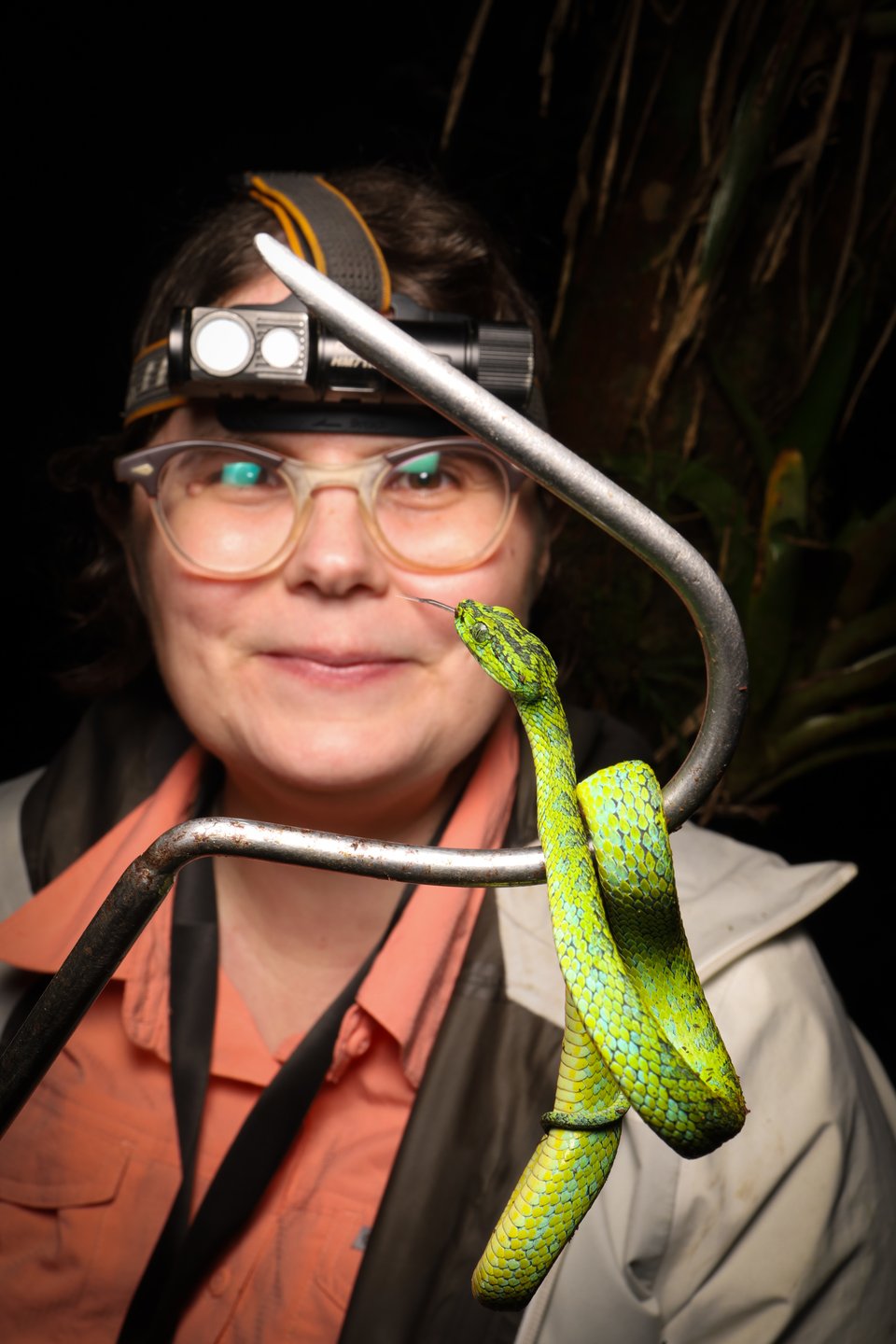
I have new story out in National Geographic about the jade palm pit viper and the conservation efforts it’s inspired, led by the binational nonprofit HonduHerp. (It looks spectacular in the July print issue, too!) Bothriechis thalassinus is a strong contender for the world’s most beautiful snake, and it seems to know it’s a star. The one I met in the cloud forest of western Honduras practically posed for photos, curling around the snake hook, zigzagging up the stalks of plants, and lifting its head high to taste the night air with its forked tongue. It’s no wonder it has enraptured a devoted community of herpers, the reptile and amphibian equivalent of bird watchers, and convinced staunch snake skeptics to set aside their fear in order to protect it. It enraptured me, too.
Read my story in National GeographicGetting to that moment wasn’t easy. When I was in Honduras, February’s unusually low temperatures had driven most cold-blooded animals to seek shelter, and thalassinus sightings briefly plummeted. We saw only one, on the third night of four. The cloud forests are misty and muddy, and I spent most of those nights with my glasses fogged up, slipping and sliding up and down muddy mountains slopes. When I reached out for something to steady myself, thorny trees and razor-sharp leaves sliced up my hands. I still fell dozens if not hundreds of times.
For most of the five years leading up to this trip, I didn’t know if I would ever do reporting like this again. First, the pandemic kept me at home and inside, and even now has fundamentally reoriented what I’m willing to get on a plane for. Then, my extended post-COVID troubles made it impossible to imagine being able to throw myself into a new and unpredictable experience, complete with physical and social challenges such as “staying awake all day” and “asking follow-up questions.” After all that more or less subsided, I then had such a great time feeling my imagination fire to new intensities while writing Apocalypse that I wondered if I would want to return to field reporting, which can be as draining as it is inspiring and always runs the risk of being a total bust. (See: February cold front; the looming possibility of not seeing a single thalassinus.)
But when the opportunity arose, I jumped at it again. And it turned out to be one of my favorite trips, in a beautiful place I never expected to go, and with such a welcoming and kind group of people. The travel came together fairly quickly, and I was worried I wouldn’t be prepared for the night hikes. I wasn’t. But doing it anyway helped me see that my job isn’t to be prepared for everything. Instead, my job is to show up willing to do things I’m not prepared for, that I never could have prepared for, usually alongside people who do them all the time.
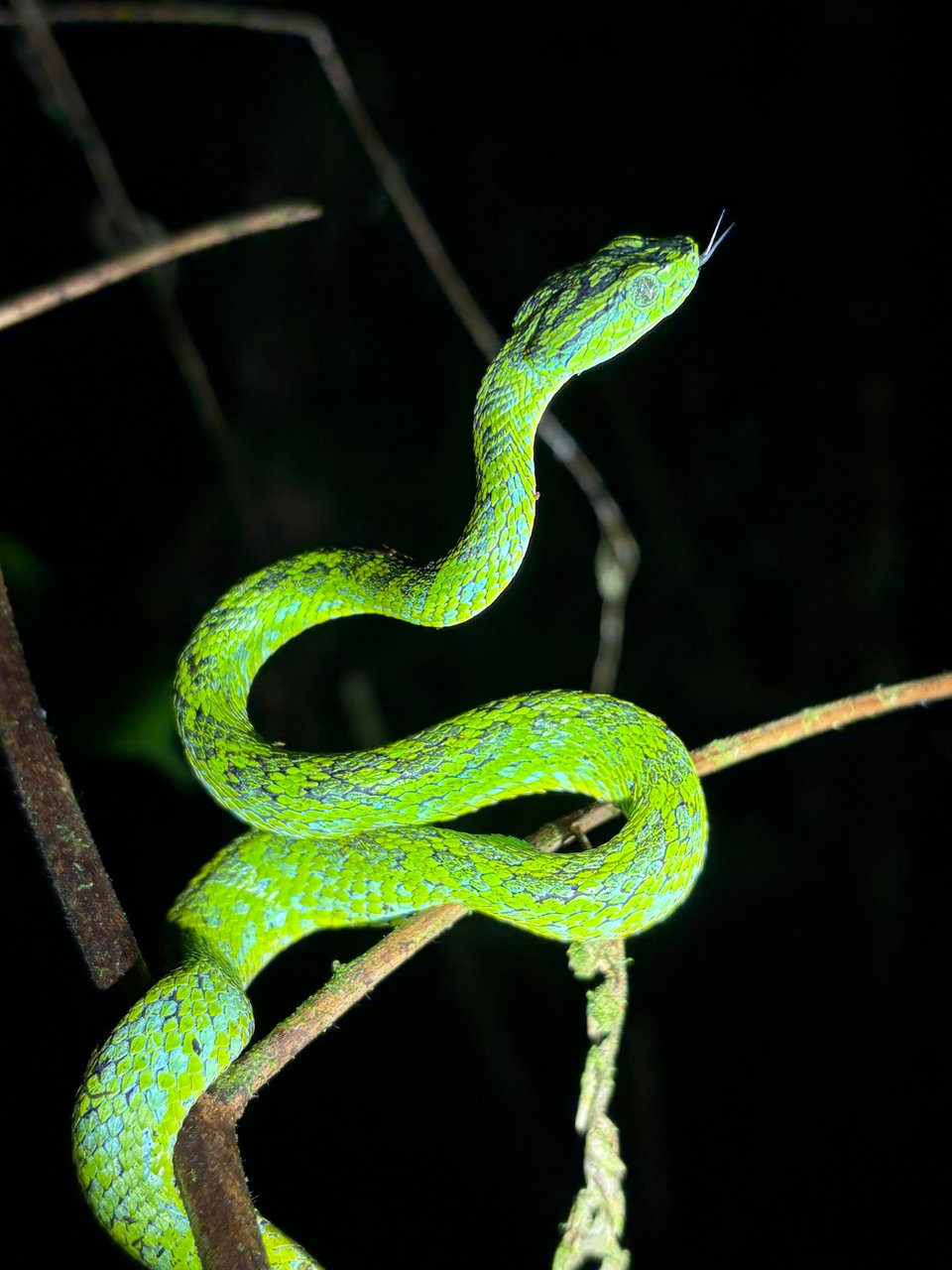
As you read this I’m on my way to Peru for a similar reporting experience, this one involving hiking at some serious altitudes. I’m worried, as always, that I’m not ready, but going to Honduras made it clear I’ll never really be ready. Embracing slightly less preparation than I’m comfortable with is what lets me be maximally present for experiences I’ll only get to have once, and that I’m tasked with bringing to people who will never have them at all.
Back on the second night in Honduras, when I wiped the condensation from my glasses for the twentieth time that hour and looked around me into the cloud forest, I saw countless glittering points scattered across the ground, stretching out into the trees. They were the eyes of small spiders, reflecting the light of my headlamp. If someone had asked me before that moment if I wanted to see hundreds of shimmering spider eyes surrounding me in the wildest dark, I probably would have said definitely not. But it turns out that it was beautiful, and I’m so glad I didn’t know what I was getting into, so I could find out.
Subscribe now


Add a comment: