The most haunting scene in Pluribus
On culture and conformity
My book APOCALYPSE was named a best book of 2025 by The New Yorker! Click below to get your copy.
Buy APOCALYPSE
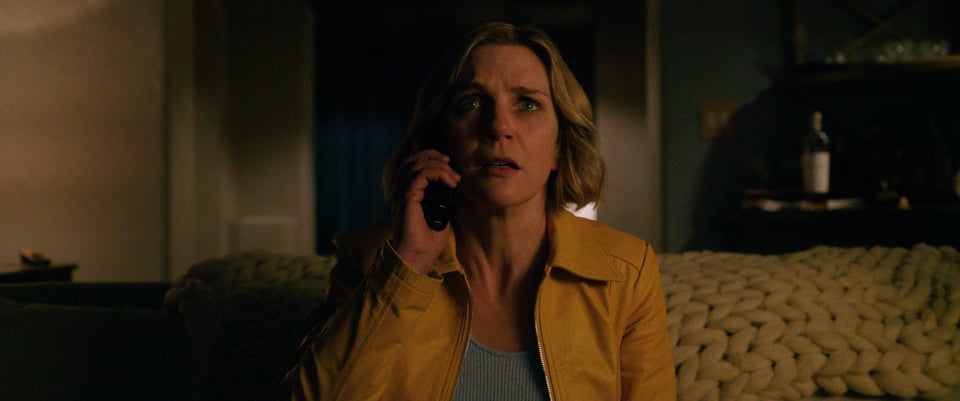
After writing about two previous Vince Gilligan television shows, I thought my newsletter rebrand would prevent me from writing about the third, Pluribus, a decidedly in-the-present show about an alien invasion via virus that connects (almost) all surviving human consciousnesses and makes everyone really nice. But then the first season finale included a scene so chilling, and so perfectly tailored to my professional practice of cosplaying an anthropologist, that I couldn’t resist. Spoilers follow.
The first season of Pluribus largely focuses on Carol Sturka, a stubborn, crotchety, and very successful romantasy author who resents her fans for their bad taste, and who, like only 12 other people around the world, is immune to the virus that triggers the Joining. We spend time with a few other survivors, most notably Manousos Oveido, whose stubborn independence puts Carol’s to shame. He insists on journeying alone from Paraguay to Albuquerque, teaching himself English via cassette tapes, to join Carol’s quest to reverse the Joining and “save the word”—a quest Carol has largely abandoned for the relentless pleasantness of life among the Joined by the time he gets there.
The implicit question Pluribus poses is, what if it really is better to be body-snatched? The Joined’s values line up with those of most people’s best selves; they are committed, perhaps to the death, to cooperation, non-exploitation, and the common good. They live in a state of sustained, effortless enlightenment. Efficiency and empathy are one, and every member of the Joined has absolute clarity of purpose. They all insist they’ve never been happier—which is why they know that once they find a way to bring Carol and the other survivors into the fold, it would be an act of unthinkable violence to leave them on the outside.
Carol and Manousos reject that assertion and prize their individuality as synonymous with their humanity. That’s a plausible claim in Manousos’s case, and less so in Carol’s. Manousos’s independence springs from his unwavering sense of responsibility to others; the number of written explanations, IOUs, and guaraní bills he leaves in exchange for the once-private property he appropriates on his journey north becomes a running gag. Carol, meanwhile, simply loves the illusion of self-reliance, with no concern or thought to what or who makes that illusion possible. Manousos’s selfhood is sacred; Carol’s is the manifestation of American individualism. The second most haunting scene in Pluribus is when she insists that the Joined restock her local Sprouts just for her, the casual abundance of U.S. supermarkets revealed as a grotesque performance.
The show’s most haunting scene involves a grotesque performance of a very different kind, done for the benefit of a very different character than either Carol or Manousos. Kusimayu, another survivor introduced earlier in the season, is from a village in the Peruvian Andes and wants nothing more than to follow her aunt, cousin, and everyone else she knows into the Joining. In the finale, she gets her wish, as she becomes the first survivor to inhale a version of the virus engineered especially for her. Kusimayu is nervous leading up to the transition, and her family reassures her it won’t hurt. Her community turns her Joining into a ritual, complete with a gathering, a song, and a beautiful woven blanket they lie her down on during the required seizure. And then Kusimayu stands up with a beatific smile on her face, and the entire community abandons the village without needing to speak another word. Another beautiful blanket is left half-woven, a baby goat bleats after the person who cared for it.
Since the original Joining, Kusimayu, like Carol, had been living in a play of her own culture staged for an audience of one. The Joined don’t need rituals, art, language, or tradition. They don’t need ways to mark transitions, negotiate conflicts, or wrestle with change. Carol likely believes she doesn’t need those things either, that “ritual” is something for foreign villagers and local loonies. And yet, in her backyard is the grave she constructed, paving stone by paving stone, for her partner Helen, who died during the Joining. The ritual of burial and the ritual of grocery shopping: They’re both more human than what Kusimayu got, a simulacrum of the community she would do anything to belong to once again.


Add a comment: